

Dear Investors.
Zee here. I visited Tokyo Disneyland once and the experience blew my mind, especially the Beauty and the Beast ride.
Disney is one of those companies almost everyone has an opinion about but far fewer people actually understand as a stock. Is it a movie studio? A theme park operator? A streaming service? A cruise line?
The honest answer is: all of the above, and that mix is exactly what makes Disney interesting and occasionally confusing for investors.
This year alone, Disney has swapped CEOs for the first time in years, beaten Wall Street’s earnings expectations, and watched its stock slide anyway.

What Disney Actually Does and How It Makes Money?
Before diving into the news, it helps to understand Disney’s business model. Disney runs four main segments:
Entertainment – This includes movie studios (Pixar, Marvel, Lucasfilm, Disney Animation), broadcast/cable TV (ABC), and streaming (Disney+, Hulu). Money comes from box office ticket sales, licensing, advertising, and subscriber fees.
Sports – Primarily ESPN, including ESPN+ and the recently launched standalone ESPN streaming app. Revenue comes from cable carriage fees, advertising, and subscriptions.
Experiences – Theme parks (Disneyland, Disney World, international parks), resorts, cruise ships, and consumer products (toys, merchandise). This is Disney’s cash cow, generating money through ticket sales, hotel stays, food, merchandise, and cruise fares.
Direct-to-Consumer/Streaming – Increasingly folded into how Disney reports Entertainment, this is the Disney+/Hulu subscription business, which for years lost money as Disney built it up to compete with Netflix.
In short: Disney makes money by turning stories and characters into experiences people pay for, whether that’s a movie ticket, a streaming subscription, a theme park pass, or a stateroom on a cruise ship. Investors watching Disney are really watching how well these four very different businesses perform together.
1. Disney Has a New CEO for the First Time in Years
After nearly two decades on and off at the helm, Bob Iger officially handed the CEO role to Josh D’Amaro in March 2026. D’Amaro spent years running Disney’s parks, cruises, and consumer products business, the very unit that’s been carrying the company’s profits lately.
Disney’s board, chaired by James Gorman, faced pressure to execute a strong succession plan after the rocky handoff to Bob Chapek in 2020. This time, the transition has been notably smooth, and D’Amaro has signaled continuity rather than a dramatic shift in strategy, including doubling down on Disney+ as the company’s central digital hub.
2. Streaming Is Turning a Corner
For years, Disney+ was a money pit as the company spent heavily to compete with Netflix. That’s changing.
In its most recent quarter, Disney’s earnings per share and revenue both beat Wall Street forecasts, driven by strong performance in its streaming and experiences segments. The company is investing heavily in streaming and is approaching profitability there.
Profitable streaming has been the missing piece of Disney’s turnaround story. If it keeps improving, it removes a major drag on overall earnings.
3. Theme Parks and Cruises Keep Expanding but Cautiously
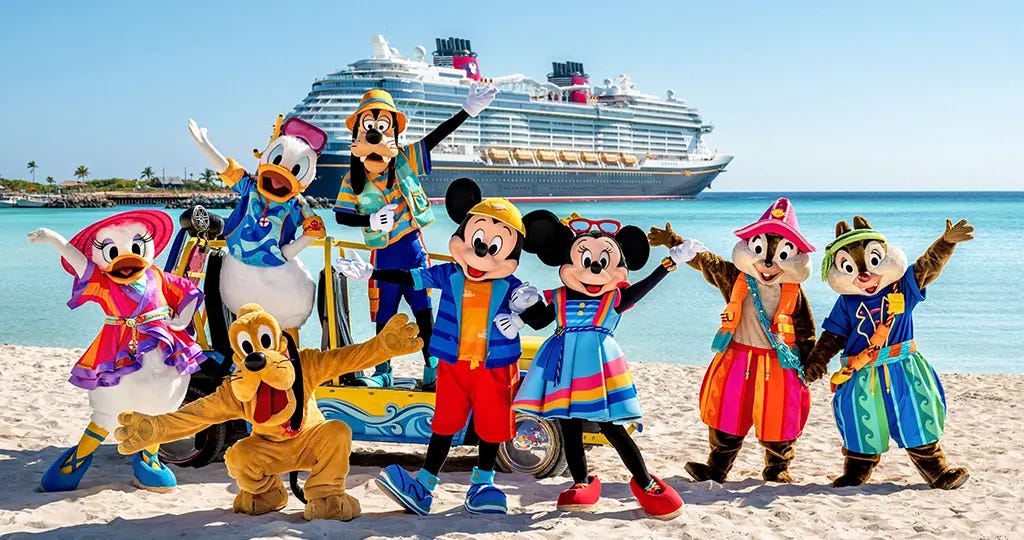
Disney is investing to grow its global footprint, including plans to expand the cruise line fleet from 8 ships currently to 13 ships by 2031. The experiences division reported 7% year-over-year growth in its latest quarter. That said, growth in park attendance has been more modest lately, and management is watching guest spending closely as travel costs shift.
Experiences remains Disney’s biggest profit engine. A bigger cruise fleet means more capacity to grow revenue for years, but it’s a multi-year bet, not an instant payoff.
4. The Stock Has Lagged Even Though the Business Looks Solid
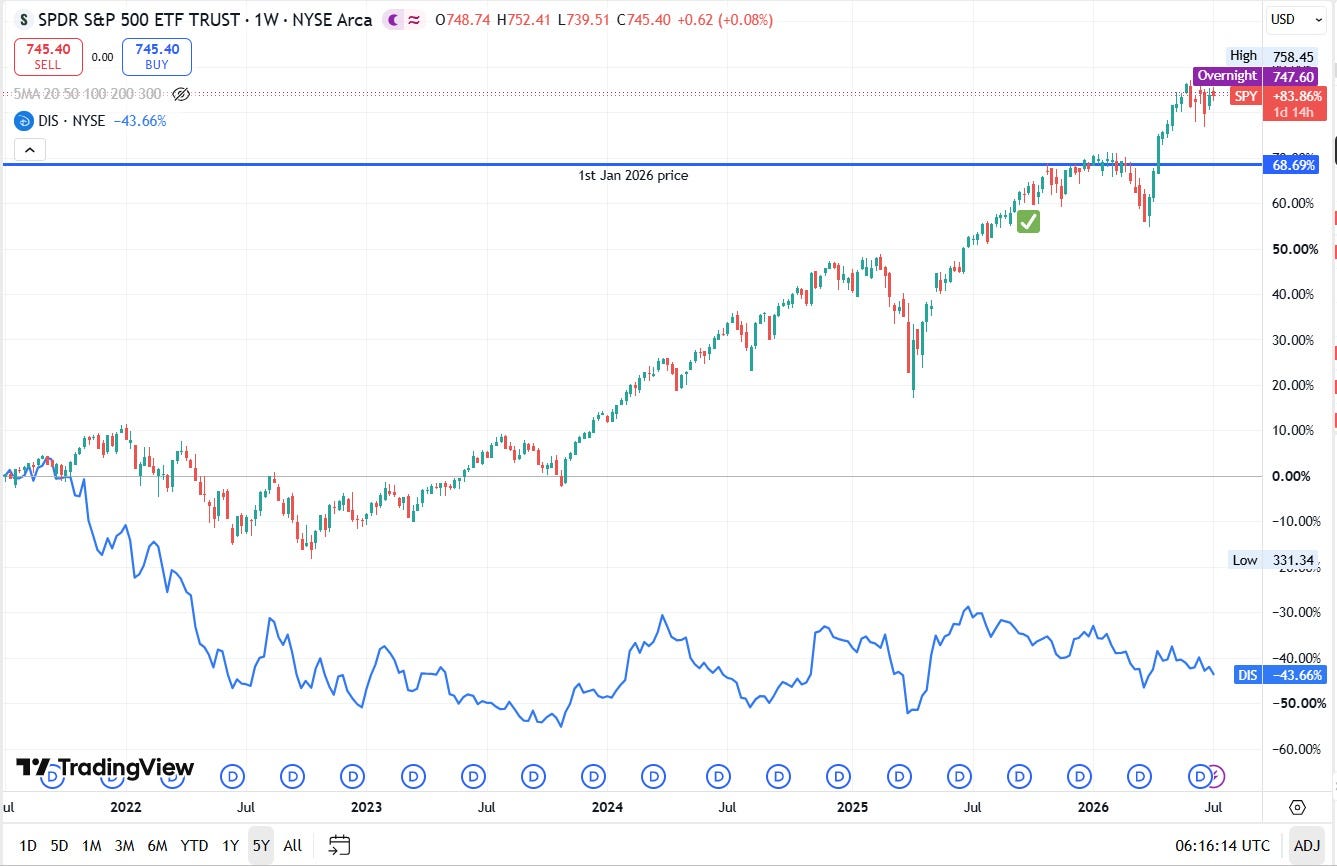
Disney shares fell 13% through the first half of 2026 despite the company making strong moves. Disney is also facing intense scrutiny and regulatory pressure from the FCC, and at least one analyst cut its price target due to increased competition from Comcast’s Universal theme parks.
A stock price and a business’s underlying health don’t always move together. Investors will want to watch whether regulatory issues and competitive pressure are temporary headwinds or signs of a longer-term challenge.
5. Content Is Still a Wildcard
The successful release of Toy Story 5 has given Disney a boost heading into the summer season, and overall the company expects adjusted earnings-per-share growth of 12% for fiscal 2026.
Upcoming releases, including a live-action Moana adaptation, will test whether Disney’s studio can keep delivering hits.
Blockbuster movies still ripple across the whole business, driving streaming views, park attendance, and merchandise sales. A hit (or a miss) at the box office matters more for Disney than for a typical media company because of this “flywheel” effect.
The Bottom Line
Disney’s story right now is one of quiet progress overshadowed by stock market skepticism: new leadership, improving streaming profits, an expanding cruise business, and box office momentum all set against a falling share price and real regulatory and competitive pressures.
For investors, the key question isn’t whether Disney’s businesses are working (many signs say they are), but whether the market will start reflecting that progress in the stock price, and how soon.
Disclaimer:
All information here is for educational purposes only. This is not financial advice. Please do your own research and speak with a licensed advisor before making any investment decisions. Past performance is not indicative of future returns. How we invest may not suit your investment goals and risk management profile.